
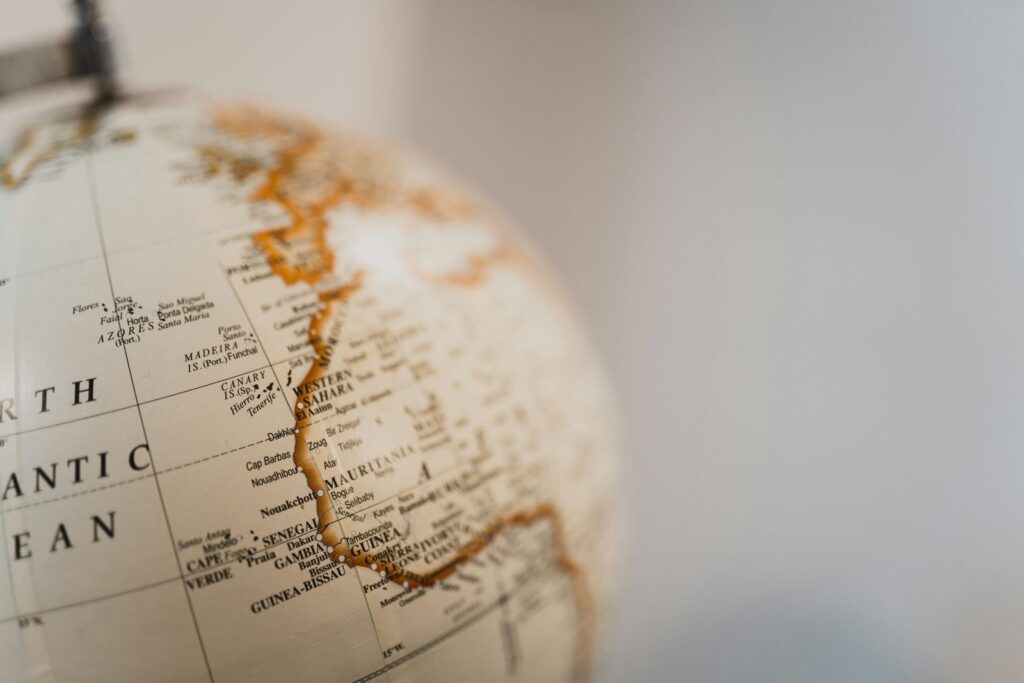
How to enter the Mauritanian market without immediately setting up a local subsidiary
How to enter the Mauritanian market without setting up a subsidiary: market research, local partners, commercial representation and business missions.
How to enter the Mauritanian market without setting up a subsidiary: market research, local partners, commercial representation and business missions.
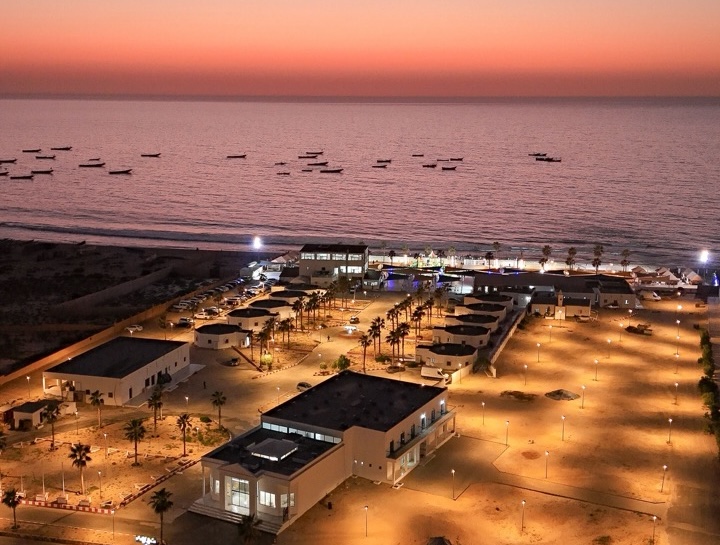
Mauritania is increasingly attracting the attention of international investors. Strategically positioned at the crossroads of North Africa, West Africa and the Atlantic Ocean, endowed with significant natural resources and supported by several major development projects, the country offers opportunities across sectors including mining, energy, infrastructure, fisheries, agriculture and business services. For international companies, however, Mauritania remains a market that requires a tailored approach. Understanding the economic environment, identifying the right stakeholders and having reliable local support can significantly facilitate market entry and business development. Here are some of the key factors businesses should consider before investing or expanding into Mauritania in 2026. An economy in transformation After recording real GDP growth of 6.3% in 2024, Mauritania’s economy grew by 4.0% in 2025, according to the International Monetary Fund (IMF). The slowdown was partly attributable to a contraction in the extractive sector and slower growth in non-extractive activities. For 2026, the IMF projects growth of approximately 4.8%, supported in particular by an expected recovery in extractive activities. The IMF also notes that liquefied natural gas (LNG) exports have started contributing to the country’s external accounts. Source: International Monetary Fund, Islamic Republic of Mauritania – ECF/EFF and RSF Review, June 2026. Why consider Mauritania? Mauritania first benefits from a distinctive geographical position. With its Atlantic coastline and borders with Senegal, Mali, Algeria and Western Sahara, the country provides a connection point between West Africa, North Africa and international maritime trade routes. The Mauritanian Investment Promotion Agency (APIM) notably highlights the country’s connections with African, European and American trade corridors. The economy also benefits from substantial natural resources, including iron ore, gold, copper, fisheries resources and natural gas, as well as considerable solar and wind energy potential. Source: Mauritanian Investment Promotion Agency (APIM), Why Mauritania? – Overview, accessed August 2026. Mining : a historic pillar of the economy Mining remains one of the principal drivers of Mauritania’s economy. According to APIM, the sector accounts for approximately 19.4% of GDP and more than USD 3 billion in exports. Mauritania has significant resources including iron ore, gold, copper, gypsum, phosphates and uranium. More than 900 mineral occurrences have been identified, primarily in the Tiris Zemmour and Inchiri regions. Business opportunities extend well beyond the extraction of natural resources. They also cover the broader mining value chain, including: For international industrial companies and equipment manufacturers, becoming a supplier or partner to mining operators can provide an attractive route into the Mauritanian market. Source: APIM, Investment Opportunities – Mining, accessed August 2026. Natural gas: a new economic dimension The development of offshore natural gas represents one of Mauritania’s most significant economic transformations in recent years. The Greater Tortue Ahmeyim (GTA) project, located offshore along the maritime border between Mauritania and Senegal, marks the country’s entry into a new phase of gas industry development. According to the IMF’s 2026 data, the start of LNG exports is now contributing to developments in Mauritania’s external accounts. Beyond gas production itself, the development of this industry can generate demand across a broad range of activities: APIM also identifies opportunities in exploration and production, storage and transportation infrastructure, energy logistics and electricity generation. Sources: IMF, Mauritania report, June 2026; APIM, Investment Opportunities – Energy. Renewable energy and green hydrogen Mauritania’s energy potential extends far beyond hydrocarbons. According to APIM, certain areas of the country have solar potential reaching approximately 2,300 kWh/m², while wind speeds can reach approximately 9 m/s in favourable locations. These characteristics have helped position Mauritania among the countries being considered for the development of large-scale green hydrogen projects. Potential business opportunities include: Mauritania has also developed a specific regulatory framework for green hydrogen. However, investors should distinguish carefully between projects that have secured financing and moved toward implementation and those that remain at the announcement or feasibility-study stage. Source: APIM, Investment Opportunities – Energy, accessed August 2026. Construction and infrastructure Economic growth and the development of extractive industries require adequate infrastructure. Roads, ports, electricity networks, water infrastructure, housing, industrial buildings and public facilities all represent areas capable of generating opportunities for both local and international businesses. Demand may include: The IMF notes that public infrastructure investment and private investment are expected to continue supporting Mauritania’s medium-term economic outlook. Source: International Monetary Fund, Mauritania – Fifth Reviews of ECF/EFF and RSF Arrangements, January 2026. Fisheries and seafood processing Fisheries represent another strategic sector of the Mauritanian economy. Mauritania has approximately 750 kilometres of Atlantic coastline and an exclusive economic zone of around 234,000 km². According to APIM, fisheries contribute approximately 10% of the economy and generate around 370,000 direct and indirect jobs. The agency also reports exports of approximately USD 1.1 billion. Opportunities extend beyond fishing itself. A significant part of the sector’s potential lies in creating more value locally through: Companies offering technologies that improve seafood processing, preservation and traceability may therefore find attractive opportunities. Source: APIM, Investment Opportunities – Fisheries, accessed August 2026. Agriculture, livestock and agribusiness Agriculture and agribusiness also represent significant opportunities for economic diversification. According to APIM, Mauritania has approximately 513,000 hectares of arable land across several agro-ecological zones. At the same time, more than 70% of the country’s food requirements are currently met through imports, according to the agency, highlighting the potential for greater domestic production and processing. Mauritania also has a livestock population exceeding 30 million head, making livestock an important economic sector. Potential opportunities include: Developing domestic agribusiness capacity could both serve the local market and create additional export opportunities. Source: APIM, Investment Opportunities – Agriculture and Livestock, accessed August 2026. Digital economy and business services Mauritania’s economic diversification also depends on modernisation and digitalisation. Banks, government institutions, industrial companies, telecommunications operators and SMEs increasingly require solutions that can improve productivity, management and customer interactions. Potential opportunities include: The IMF identifies reforms in the financial sector, governance, vocational training and investment as important components of efforts to diversify the economy beyond extractive industries. Source: IMF, Mauritania – Fifth Reviews of ECF/EFF and RSF Arrangements, January 2026. An evolving business environment Mauritania
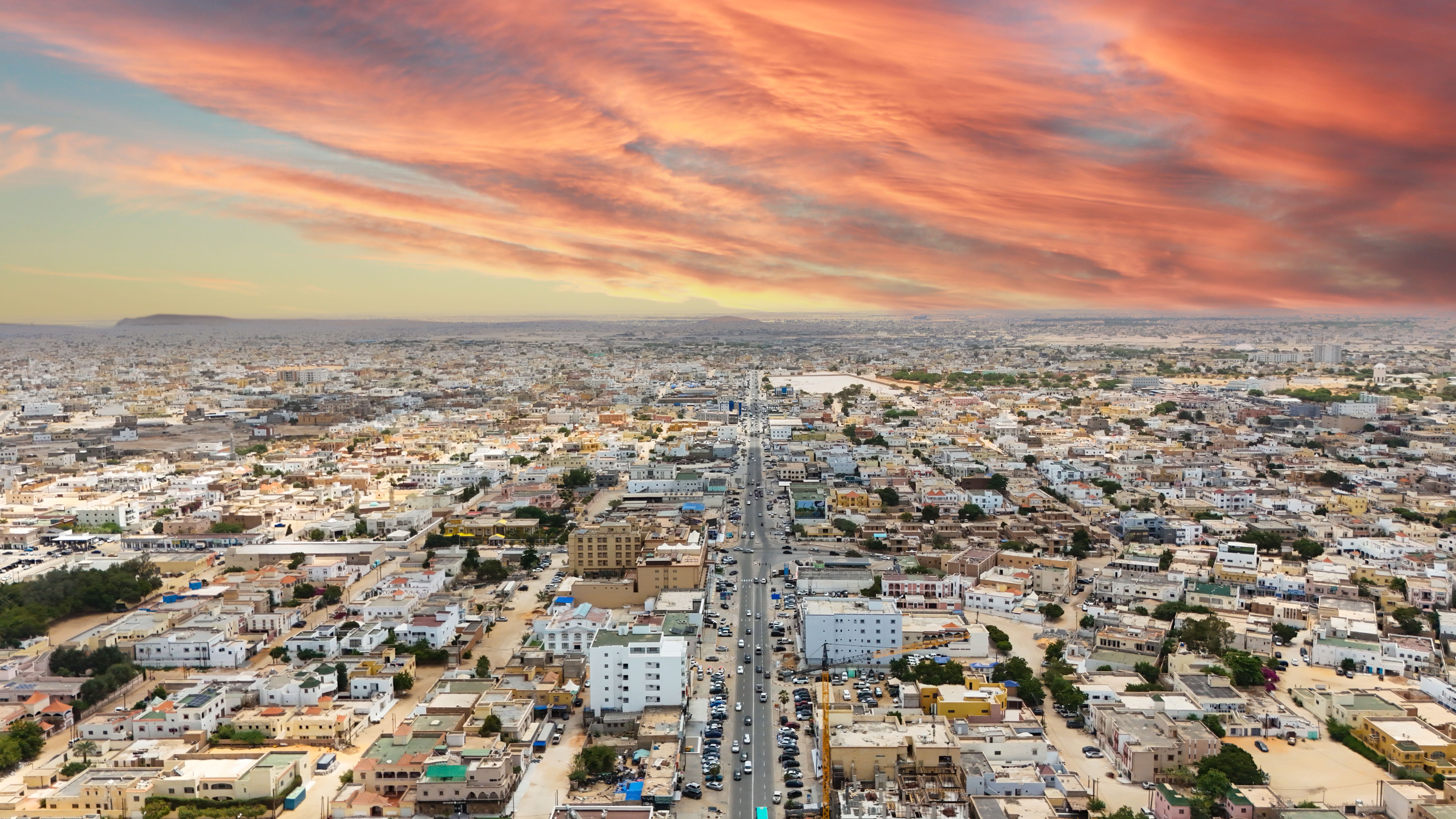
Mauritania’s solar potential is now widely recognized as one of the most significant in West Africa, yet it remains largely underexploited. With one of the highest solar irradiation levels globally, the country holds a strong comparative advantage for developing a competitive, sustainable, and investment-driven energy sector. An exceptional natural potential Located in a Sahelian and desert zone, Mauritania benefits from exceptionally high solar exposure, exceeding 3,000 hours of sunshine per year in some regions (Global Solar Atlas, World Bank Group). This resource represents a key driver for the development of large-scale photovoltaic projects, as well as hybrid solutions integrating storage and green hydrogen. According to the International Renewable Energy Agency (IRENA), Mauritania is among the African countries with strong potential for large-scale renewable energy development, particularly in solar power. An evolving investment-friendly framework In recent years, Mauritanian authorities have implemented several reforms aimed at improving the business climate and attracting foreign investment, particularly in the energy sector (World Bank, 2023). This momentum is part of a broader strategy to diversify the energy mix and reduce dependence on fossil fuels. Solar projects have already been deployed, notably in Nouakchott and in certain rural areas, contributing to improved electricity access (African Development Bank). However, significant needs remain, particularly in rural electrification and in supporting industrial growth. Structuring investment opportunities The Mauritanian market currently offers several entry points for investors: In addition, the rise of green hydrogen projects—heavily reliant on solar energy—opens up medium- to long-term export prospects (IRENA, Climate Investment Funds). Challenges to anticipate Despite these opportunities, investors must take into account several challenges. The regulatory framework is still evolving and requires continuous monitoring. Furthermore, electricity infrastructure—particularly transmission networks—remains limited and may constrain the deployment of large-scale projects (World Bank). Access to financing and project structuring are also key considerations, in a context where legal security and country risk management are critical factors. A strategic medium- to long-term opportunity Solar energy development in Mauritania is part of a broader global shift toward energy transition and the search for high-potential investment destinations. For investors able to adopt a structured, long-term approach, the country offers a largely untapped opportunity landscape. As highlighted by IRENA, West Africa could emerge as a major renewable energy hub, with Mauritania playing a central role due to its natural resources and growing energy ambitions. Sources
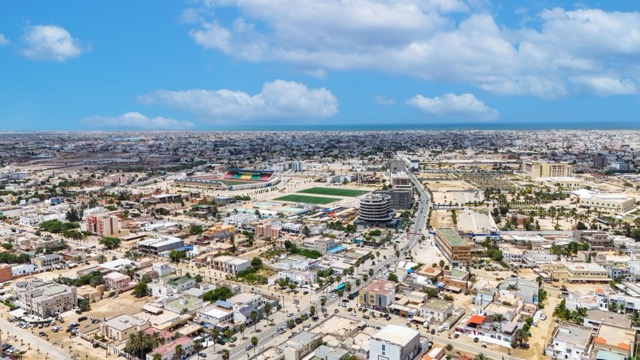
A practical guide by Talents Conseil Setting up a company in Mauritania can be a strategic step for a foreign business looking to establish and grow its operations in the country. Mining, energy, infrastructure, fisheries, agriculture, business services and digital transformation are among the areas creating opportunities for both local and international companies. Before establishing a presence, however, several important questions need to be addressed: Which legal structure should you choose? What are the main registration steps? Can a foreign investor own a company in Mauritania? Which documents are required? And do you actually need to incorporate a company before starting to explore the market? This guide provides an overview of the main steps international investors should consider before setting up a business in Mauritania. Can a foreign investor set up a company in Mauritania? Yes. Mauritania welcomes both domestic and international investment and has established a legal framework designed to encourage private-sector investment. In 2025, the country adopted a new Investment Code – Law No. 2025-006, strengthening the framework applicable to investors. Among the principles highlighted by the Mauritanian Investment Promotion Agency (APIM) are equal treatment of domestic and foreign investors, investment protection and, subject to applicable regulations, the ability to transfer capital, profits and dividends. Certain activities may nevertheless be subject to specific regulations, licences or authorisations. A sector-specific regulatory review is therefore essential before establishing operations. Sources: APIM; Law No. 2025-006 establishing the Investment Code. Do you necessarily need to set up a company? Not necessarily. Before establishing a permanent legal entity, a foreign company should determine what it actually wants to achieve in Mauritania. If the initial objective is simply to: it may be more appropriate to begin with a market-entry assessment, business development mission or local representation. This approach allows a company to test the commercial potential of the Mauritanian market before committing to the costs and responsibilities associated with establishing a permanent operation. Once a company begins regularly signing contracts, recruiting locally, conducting permanent operations or investing in assets, establishing a local structure may become necessary or strategically appropriate. Choose the appropriate legal structure Selecting the appropriate legal structure is one of the first important decisions. The right structure will depend on factors including: Common business structures include limited-liability entities and companies limited by shares, alongside other options available to foreign companies seeking to establish a local presence. Before making a decision, investors should obtain legal and tax advice tailored to their particular circumstances. Prepare your business project Before beginning the administrative process, investors should clearly define their project. This includes determining: Where a foreign company is establishing a subsidiary or another local structure, documentation relating to the foreign parent company may also be required. Depending on their nature and country of origin, foreign documents may require translation, legalisation or other authentication formalities. Check and register the company name The new business will require a legal name. Before incorporation, the availability of the proposed company name should therefore be checked in accordance with the applicable registration procedure. It can be useful to prepare several alternative names to avoid unnecessary delays if the preferred name is unavailable. Prepare the incorporation documents The next step involves preparing the legal documents required for the chosen corporate structure. Depending on the type of company and shareholder structure, the application may include: The precise list of documents should always be verified at the time the application is submitted. Register the company Registration provides the business with its legal existence and the identifiers required to conduct its activities. Mauritania has undertaken efforts in recent years to modernise its company-registration procedures. The Mauritanian Investment Promotion Agency (APIM) plays an important role in supporting investors and facilitating investment-related procedures. The progressive digitalisation of administrative services is also an important part of this development. Source: Mauritanian Investment Promotion Agency (APIM). Obtain tax and administrative identifiers Once established, the company must be properly registered with the relevant authorities. Depending on its situation, it will require the appropriate tax and administrative identifiers for activities such as: Specific requirements depend on the company’s activities, legal structure and applicable tax regime. Open a corporate bank account A company operating on a permanent basis in Mauritania will generally require a corporate bank account. Banks will request various documents concerning the company, its shareholders and its beneficial owners. For businesses owned by a foreign parent company, additional corporate documentation may be required as part of the bank’s compliance and Know Your Customer procedures. Timelines can vary depending on the bank, ownership structure, activity and complexity of the application. It is therefore advisable to anticipate this step early in the establishment process. Check sector-specific licences and authorisations Incorporating a company does not necessarily mean that it can immediately conduct every type of activity. Certain sectors are subject to specific regulations. These may include: Before investing, a company should identify precisely which licences, approvals or authorisations are required for its operations. Understand the tax environment Taxation is naturally an essential component of any market-entry decision. Depending on its activity and circumstances, a company may be subject to various taxes and contributions. Before incorporation, investors should assess areas including: As regulations may change and certain transactions require specific analysis, investors should seek advice from qualified Mauritanian legal, accounting or tax professionals. Hiring employees in Mauritania Once operations begin, a company may need to build a local team. Employers must comply with applicable rules concerning areas such as: Additional immigration and employment requirements may apply to foreign employees, including visas, residence requirements and work authorisations. Workforce requirements should therefore be considered during the initial market-entry planning process. The 2025 investment code Mauritania’s 2025 Investment Code represents an important development in the country’s investment framework. According to APIM, different investment regimes may allow qualifying projects to benefit from certain incentives and guarantees. Eligibility may depend on factors such as the nature of the project, its location, its scale and the applicable regulatory framework. Foreign investors should therefore not assume that tax or customs
Mauritania’s growing economic momentum Mauritania has undergone significant economic transformation in recent years, driven by the development of strategic sectors such as energy (natural gas, green hydrogen, solar), extractive industries, and infrastructure. This momentum reflects a clear commitment by public authorities to attract foreign investment and position the country as an energy and logistics hub in West Africa. The exploitation of offshore gas resources, ambitious green hydrogen projects, and major port and energy infrastructure programs have strengthened the country’s attractiveness. In parallel, the adoption of economic and legal reforms aimed at improving the business climate demonstrates a gradual opening to international capital and public-private partnerships. Commercial representation as a strategic entry point In this context, a growing number of foreign companies are showing interest in the Mauritanian market, while favoring gradual, flexible, and controlled entry strategies. The immediate establishment of a subsidiary, branch, or permanent establishment is not always suited to the early stages of market exploration or commercial prospecting. As such, commercial or institutional representation emerges as a particularly relevant strategic alternative. This approach allows foreign companies to test the market, identify opportunities, build local partnerships, and position themselves for tenders, while limiting setup costs and structural commitments. It also provides a better understanding of the administrative, economic, and cultural environment—often a key factor in emerging economies. A legal framework that should not be underestimated However, this apparent flexibility should not obscure the existence of a structured legal and regulatory framework. The representation of a foreign company in Mauritania must comply with commercial law, tax law, and specific sectoral regulations, particularly in energy, mining, and infrastructure. The risk of being reclassified as a permanent establishment In practice, the line between simple representation and the actual conduct of commercial activities can be difficult to assess. A local representative, if acting autonomously or legally binding the foreign company, may expose it to the risk of being reclassified as a permanent establishment, with significant tax and legal consequences. Administrative and tax compliance Likewise, the absence of contractual formalization or administrative compliance (registration, tax obligations, social declarations) may lead to sanctions or even jeopardize business continuity. Securing your representation strategy Therefore, any representation strategy must be designed with a focus on compliance and legal security. This notably involves drafting precise contracts (agency, distribution, or partnership agreements), clearly defining respective responsibilities, and strictly adhering to local regulatory and reporting obligations. Engaging local legal counsel is, in this regard, essential to mitigate risks and structure the market entry effectively. Today, representing a foreign company in Mauritania is a strategic lever for accessing a rapidly growing market, particularly in capital- and technology-intensive sectors. It enables a gradual, flexible approach adapted to local realities, while offering concrete opportunities for growth and partnership. Nevertheless, this approach should not be viewed as an informal or opportunistic arrangement. It operates within a demanding legal framework, where mastery of applicable rules directly determines the security of operations and the credibility of the stakeholders involved. Ultimately, the success of a representation strategy in Mauritania lies in a careful balance between economic opportunity and legal rigor. It requires a deep understanding of the local market, solid contractual structuring, and strict compliance with regulatory obligations. Failing this, the risks involved may compromise not only ongoing projects but also the company’s ability to establish a lasting presence in the Mauritanian economic landscape. Conclusion In conclusion, representation should not be seen as a negligible transitional step, but rather as a true strategic instrument requiring foresight, professionalization, and legal security. “Analysis based on OHADA and Mauritanian legal frameworks, as well as investment practices in Africa.”Salif Sall – TalentsConseil Key sources Legal: Investment Code, OHADA, Commercial Code, Tax Code Institutional: APIM, Mauritanian Ministries Economic: World Bank, IMF, AFDB