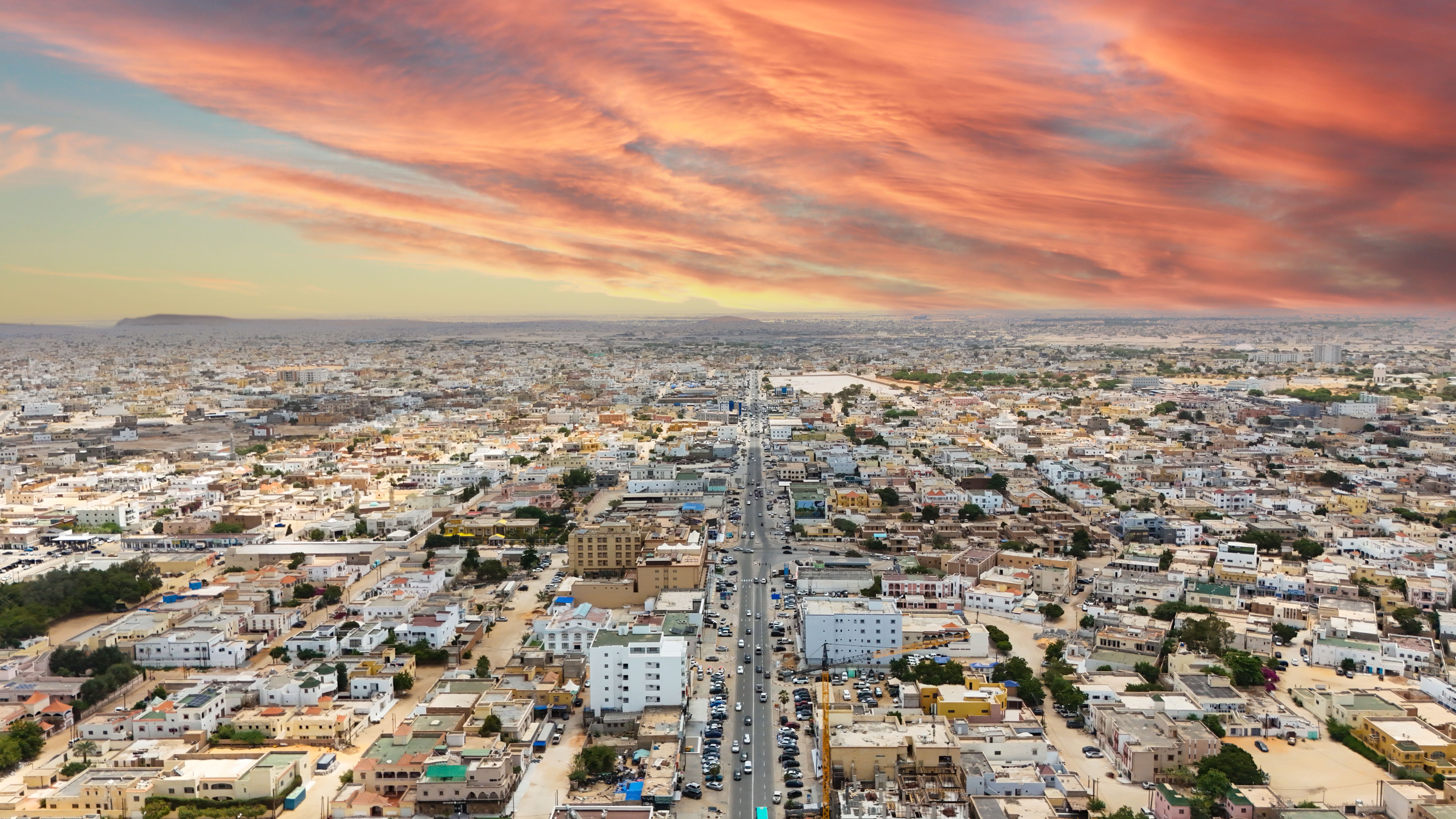
Mauritania’s solar potential is now widely recognized as one of the most significant in West Africa, yet it remains largely underexploited. With one of the highest solar irradiation levels globally, the country holds a strong comparative advantage for developing a competitive, sustainable, and investment-driven energy sector.
An exceptional natural potential
Located in a Sahelian and desert zone, Mauritania benefits from exceptionally high solar exposure, exceeding 3,000 hours of sunshine per year in some regions (Global Solar Atlas, World Bank Group). This resource represents a key driver for the development of large-scale photovoltaic projects, as well as hybrid solutions integrating storage and green hydrogen.
According to the International Renewable Energy Agency (IRENA), Mauritania is among the African countries with strong potential for large-scale renewable energy development, particularly in solar power.
An evolving investment-friendly framework
In recent years, Mauritanian authorities have implemented several reforms aimed at improving the business climate and attracting foreign investment, particularly in the energy sector (World Bank, 2023). This momentum is part of a broader strategy to diversify the energy mix and reduce dependence on fossil fuels.
Solar projects have already been deployed, notably in Nouakchott and in certain rural areas, contributing to improved electricity access (African Development Bank). However, significant needs remain, particularly in rural electrification and in supporting industrial growth.
Structuring investment opportunities
The Mauritanian market currently offers several entry points for investors:
- Development of large-scale solar power plants, often within public-private partnership frameworks
- Decentralized solutions (mini-grids, off-grid) for remote areas
- Hybrid projects combining solar energy and storage
- Opportunities across the value chain (engineering, financing, operations)
In addition, the rise of green hydrogen projects—heavily reliant on solar energy—opens up medium- to long-term export prospects (IRENA, Climate Investment Funds).
Challenges to anticipate
Despite these opportunities, investors must take into account several challenges. The regulatory framework is still evolving and requires continuous monitoring. Furthermore, electricity infrastructure—particularly transmission networks—remains limited and may constrain the deployment of large-scale projects (World Bank).
Access to financing and project structuring are also key considerations, in a context where legal security and country risk management are critical factors.
A strategic medium- to long-term opportunity
Solar energy development in Mauritania is part of a broader global shift toward energy transition and the search for high-potential investment destinations. For investors able to adopt a structured, long-term approach, the country offers a largely untapped opportunity landscape.
As highlighted by IRENA, West Africa could emerge as a major renewable energy hub, with Mauritania playing a central role due to its natural resources and growing energy ambitions.
Sources
- World Bank (ESMAP)
- Global Solar Atlas
- IRENA
- African Development Bank
- Climate Investment Funds
- Mauritanian Ministry of Petroleum, Energy and Mines